
Some dogs prefer a soft, cushioned bed where they can curl up. Others need a firmer surface or a fabric that holds up better to scratching and frequent use. A bed that feels comfortable in the store or in a product photo may not be the right fit for every dog.
This guide explains the most common dog bed materials, how they differ, and what to look for before buying. The goal is to help you compare the actual construction of a bed rather than relying only on labels such as premium, plush or orthopedic.
What Are Dog Beds Made Of?
Most dog beds combine several materials. Understanding each layer makes it easier to compare products.
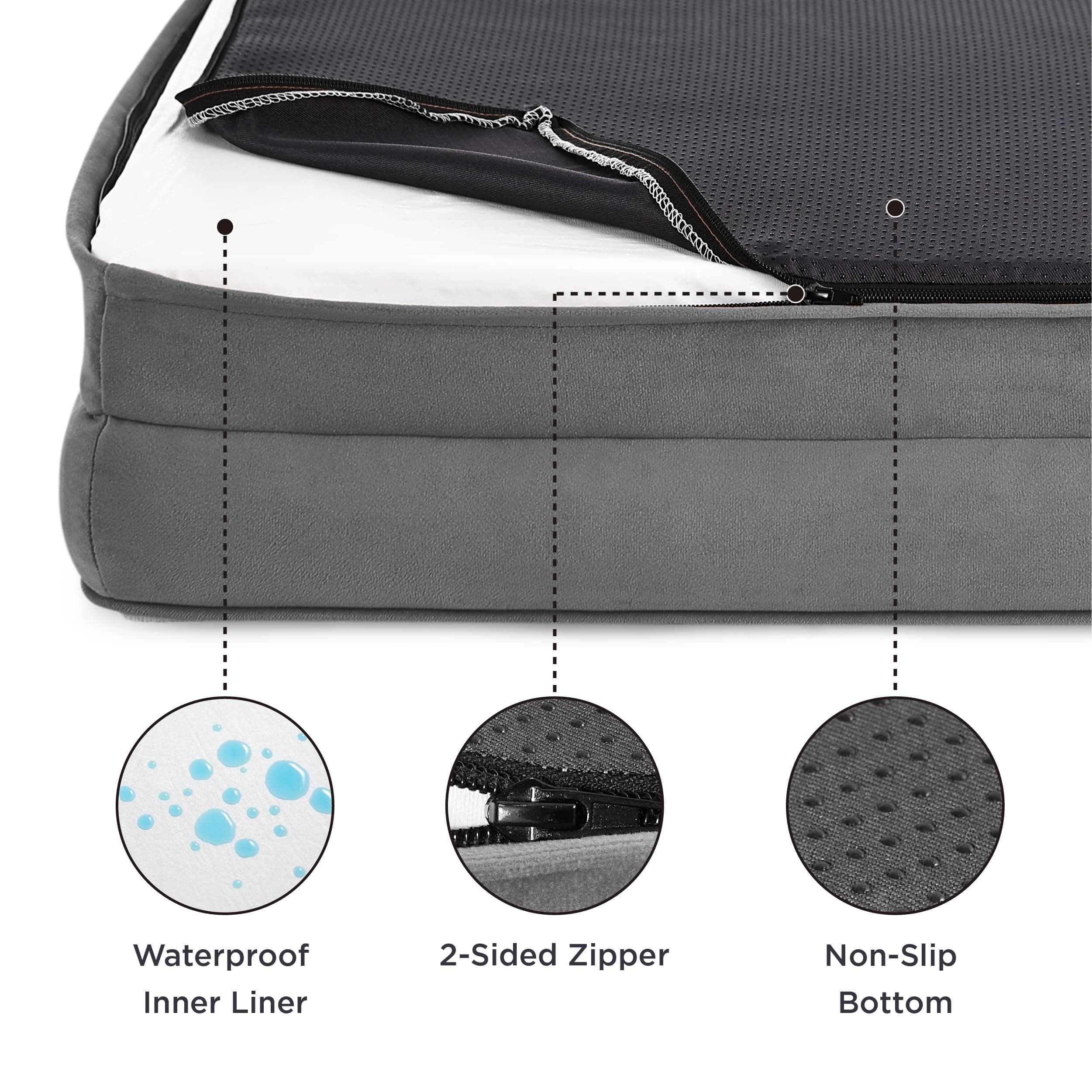
- Filling or foam: The inner material that provides cushioning and support.
- Sleeping surface: The fabric your dog lies on directly.
- Outer cover: The material that surrounds the filling and affects the bed's feel and everyday wear.
- Protective liner: An optional layer between the cover and filling.
- Bottom fabric: The material that sits against the floor and helps the bed stay in place, depending on its design.
Two beds may look almost identical but feel very different because their inner filling is not the same. When comparing dog bed materials, check both the cover and the filling rather than judging by appearance alone.
Dog Bed Materials Compared
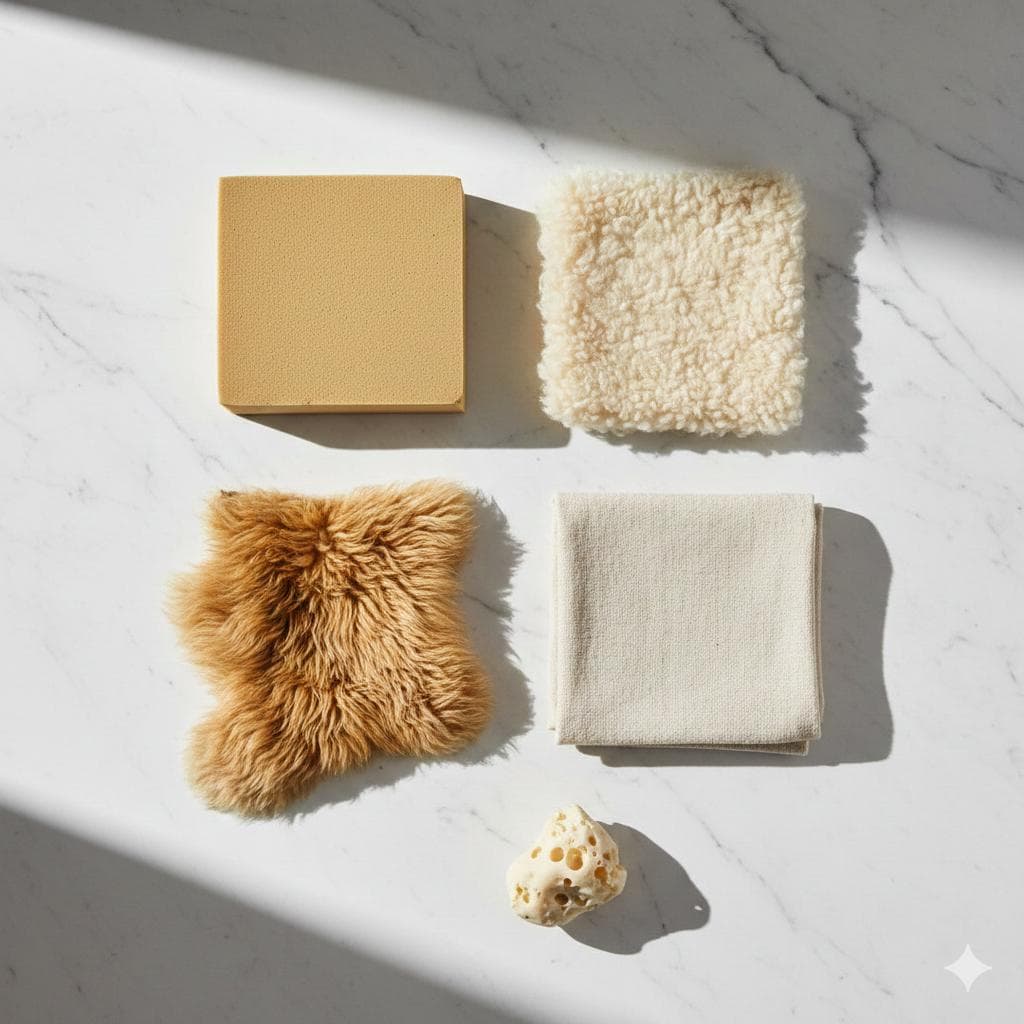
| Material | Common characteristics | What to consider |
|---|---|---|
| Memory foam | Contours to pressure and offers a supportive feel | Can retain warmth; check thickness, construction and care instructions |
| Standard or support foam | Provides cushioning with varying levels of firmness | Quality and support vary by foam type and density |
| Polyester fiberfill | Soft, lightweight and fluffy | May flatten, shift or clump with use |
| Shredded foam | Loose foam pieces that create a flexible cushion | Can move around and may require reshaping |
| Cotton fabric | Often soft and comfortable against the skin | Durability and washing requirements depend on the weave and construction |
| Canvas | Generally firm and closely woven | May feel less soft than plush fabric |
| Plush or fleece | Soft surface that can feel cozy | May collect fur and debris and can feel warm |
| Mesh | Open structure that allows air to pass through | Provides a different feel from a padded cushion and may not suit every dog |
No single material is best for every dog. The right choice depends on your dog's sleeping habits, body size, comfort needs and how the bed will be used.
Memory Foam Dog Beds: What Should You Know?
Memory foam is designed to respond to pressure and conform to the shape pressing against it. In a dog bed, it can provide a cushioned sleeping surface that feels different from loose fiber filling.
Potential benefits of memory foam
A well-constructed memory foam bed may suit dogs that prefer a more supportive surface. It can be worth considering for larger dogs or dogs that spend long periods resting.
However, the words "memory foam" alone do not tell you everything about the bed. Foam quality, thickness, overall construction and the surface beneath the foam all affect the final feel.
What to check before buying
Look for a clear description of the foam layer, its thickness and how the bed is constructed. Check whether the foam is one solid piece, multiple layers or a combination of materials.
Also consider temperature. Some foam beds may retain more warmth than an open or breathable sleeping surface. If your dog tends to get warm while sleeping, pay attention to the cover fabric and the bed's overall design.
A supportive bed may improve comfort, but it should not be treated as a replacement for veterinary advice if your dog has pain, stiffness or difficulty getting up.
Standard Foam vs Memory Foam
These terms describe different types of cushioning, although product listings do not always explain the distinction clearly.
Standard foam can provide a range of firmness levels. Memory foam is designed to respond more gradually to pressure and conform to the body.
| What to compare | Standard foam | Memory foam |
|---|---|---|
| Feel | Depends on the foam's firmness and construction | Often contours more closely under pressure |
| Support | Varies with quality, density and thickness | Varies with quality, density, thickness and layering |
| Temperature | Depends on the material and design | Some types can retain warmth |
| Best way to compare | Check the actual specifications | Check the actual specifications rather than relying on the label |
Do not assume that every memory foam bed offers better support than every standard foam bed. The complete construction matters more than the name alone.
Polyester Fiberfill Dog Beds
Polyester fiberfill is commonly used in cushion-style dog beds. It creates a soft, fluffy feel and can make a bed easy to move or reshape.
This filling may suit dogs that enjoy curling up in a cushioned nest. It is also found in beds with raised sides that provide a soft surface to lean against.
The main thing to consider is how the filling holds its shape. With repeated use, loose fibers can compress, shift or clump. How quickly this happens depends on the amount and quality of the filling, the bed's design and the dog's weight and habits.
If you are comparing fiber-filled beds, check whether the filling is evenly distributed, whether the cushion can be reshaped and whether the manufacturer explains how to maintain it.
Shredded Foam Filling
Shredded foam beds use smaller pieces of foam instead of one continuous slab. The pieces can create a flexible, cushion-like sleeping surface.
Some dogs enjoy the way these beds adjust when they move around or settle into a sleeping position. However, the pieces may shift or collect in certain areas, so the cushion can need occasional reshaping.
Before buying, check how the filling is contained, whether it can be adjusted and how the bed should be cleaned. Also look for clear information about the materials used rather than assuming all shredded foam products perform the same way.
Which Dog Bed Fabric Is Best?
The cover is the part your dog touches most often. It affects how the bed feels, how it handles everyday use and how much effort it takes to keep it looking clean.
Cotton and cotton-blend covers
Cotton and cotton blends are used in a variety of bedding fabrics. Their feel and durability depend on the weave, thickness and other fibers in the blend.
A softer cotton cover may suit indoor use, but the word "cotton" alone does not guarantee that the cover will withstand scratching or repeated washing. Check the product's care instructions and fabric details.
Canvas covers
Canvas is generally a more closely woven fabric that can suit everyday use. Depending on its construction, it may handle regular contact and light abrasion better than some delicate fabrics.
Canvas can feel firmer or less plush than fleece or faux fur. If your dog prefers a very soft sleeping surface, check the texture rather than assuming a durable fabric will automatically be comfortable.
Plush, fleece and faux-fur covers
Plush fabrics provide a soft surface and may appeal to dogs that like to curl up or burrow into their bedding.
However, these fabrics can collect loose hair and debris. They may also feel warmer than lighter fabrics, depending on their thickness and construction.
If your dog sheds heavily, consider how easily you can remove fur from the fabric and follow its cleaning instructions.
Mesh and raised-bed fabrics
Mesh is used in some elevated dog beds and other designs where airflow is an important consideration. Unlike a thick padded cushion, a mesh sleeping surface provides a different level of cushioning and feel.
This type of bed may be worth considering for a dog that prefers an elevated surface, but check the frame, fabric tension, size and ease of getting on and off. The best option depends on your dog's comfort and mobility.
How to Choose Dog Bed Materials for Your Dog
Rather than choosing a material because it is popular, start with the way your dog actually uses a bed.
For large dogs
Consider the dog's weight and how much the bed compresses when they lie down. A bed that feels supportive when empty may compress significantly under a heavier dog.
Look for clear details about the filling, its thickness and the construction beneath the sleeping surface. The goal is to find a bed that provides enough cushioning without the dog sinking uncomfortably onto the floor.
For senior dogs
Older dogs may prefer a surface that is easy to settle onto and provides comfortable cushioning. A well-constructed foam bed may be worth considering, depending on the dog's needs and preferences.
Also think about the bed's height and shape. A thick or raised edge may be difficult for some dogs to step over. If your dog shows signs of pain or difficulty moving, consult a veterinarian for guidance.
For dogs that like to curl up
A cushion-style bed with soft fiber filling or a plush surface may suit a dog that prefers to curl up. Raised sides can provide an edge to rest against, depending on the bed's design.
Check that the sleeping area is large enough for your dog to change positions comfortably.
For dogs that stretch out
A flatter bed with a comfortable sleeping surface may be more suitable for dogs that prefer to stretch their legs.
Look at the usable sleeping area, not just the outside measurements. You can also use our dog bed size guide to help compare dimensions.
For dogs that scratch or dig before lying down
Some dogs circle, paw or scratch at their bedding before settling. A closely woven cover may be worth considering, but no ordinary soft dog bed should be assumed to be indestructible.
Inspect seams and fabric regularly. If your dog chews and swallows bedding materials, remove the bed when unsupervised if necessary and speak with a veterinarian about the safest next steps.
What About Breathability and Temperature?
The material and construction of a dog bed can affect how warm it feels. Thick plush surfaces and some foam designs may retain more warmth, while lighter fabrics and open structures can allow more airflow.
However, fabric alone does not determine temperature. The filling, thickness, room conditions and the dog's coat all matter.
If your dog tends to sleep on cool flooring instead of a thick cushion, consider whether the bed feels too warm or soft for their preference. A lighter sleeping surface may be more appealing, but observe how your dog responds rather than assuming one material suits every dog.
Make sure your dog always has access to a comfortable resting place and fresh water, especially in warm weather.
How to Compare Dog Bed Materials Before Buying
Product descriptions can make different beds sound similar. These checks help you compare the actual features.
1. Find out what is inside
Look for the filling type and construction. If a listing only says "premium comfort filling" without explaining the material, you may not have enough information to compare it fairly.
2. Check thickness and construction
For foam beds, check the thickness and whether the product uses one layer or multiple layers. Thickness alone does not guarantee support, so consider the complete design.
3. Read the cover care instructions
Check whether the cover can be removed and how it should be cleaned. If regular cleaning is important to you, compare the instructions before making a decision.
4. Look at the seams and finish
Inspect the quality of stitching, the way the cover fits and whether the fabric appears appropriate for your dog's habits. Product photos can help, but detailed specifications are more useful than appearance alone.
5. Check replacement options
Some manufacturers offer replacement covers or other parts. If available for the exact model, these may help you maintain the bed without replacing every component.
6. Compare the full cost, not just the price
A cheaper bed may be suitable for some dogs, while another household may prefer a more substantial construction. Consider the materials, ease of maintenance, replacement options and how well the bed meets your dog's needs.
Do not assume that a higher price guarantees better quality. Look for specific product details that support the claims.
Common Mistakes When Choosing Dog Bed Materials
Choosing by softness alone: A fluffy surface may feel pleasant but may not provide the firmness or support your dog prefers.
Assuming memory foam is always better: Different foam types and constructions provide different results.
Ignoring the cover fabric: The filling matters, but so does the material your dog sleeps on every day.
Trusting vague product labels: Terms such as premium, orthopedic and durable do not replace clear information about the construction.
Forgetting about maintenance: A bed may be comfortable but difficult to clean or reshape. Consider how you will care for it over time.
Assuming durable means chew-proof: No ordinary fabric or foam bed should be considered safe from every dog's chewing behavior.
Frequently Asked Questions About Dog Bed Materials
What is the best material for a dog bed?
There is no single best material for every dog. Memory foam may suit dogs that prefer a more supportive surface, fiberfill can provide a soft cushion, and the cover fabric affects comfort and everyday wear. Choose according to your dog's habits and the product's actual construction.
Is memory foam better than polyester filling for dog beds?
They offer different sleeping experiences. Memory foam is designed to conform to pressure, while polyester fiberfill creates a softer, more flexible cushion. Compare the bed's construction, firmness, thickness and your dog's preferences before deciding.
What fabric is most durable for a dog bed?
Durability depends on the fabric's weave, thickness, stitching and overall construction. Canvas and some closely woven fabrics may suit regular use, but no fabric is guaranteed to withstand every dog's scratching or chewing.
Which dog bed material is easiest to maintain?
Maintenance depends on the complete design rather than the material name alone. Look for clear care instructions and a cover that can be removed if that is important to you.
Are plush dog beds suitable for every dog?
Not necessarily. Some dogs enjoy a soft, warm surface, while others prefer a flatter or firmer bed. Plush materials can also collect fur and may feel warm, so consider your dog's sleeping habits.
Does a thicker dog bed provide better support?
Not automatically. Thickness is only one factor. The type of foam or filling, its quality and the bed's construction also affect how it feels under your dog's weight.
What should I look for in a dog bed for a senior dog?
Consider comfortable cushioning, a suitable sleeping area and a shape that is easy to enter and leave. A supportive foam bed may be worth considering, but the best choice depends on your dog's condition and preferences. Ask your veterinarian if your dog has pain or mobility changes.
How can I tell whether a dog bed is made from quality materials?
Look for clear information about the filling, cover fabric, construction, care instructions and replacement parts. If important details are missing, ask the manufacturer rather than relying only on product photos or marketing terms.
Final Thoughts
The best dog bed materials depend on how your dog sleeps, the kind of surface they find comfortable and how much wear the bed is likely to receive.
Start by comparing the filling, then consider the cover fabric, construction and care requirements. Memory foam, standard foam, fiberfill, cotton, canvas and plush fabrics all have different characteristics, so the right choice is the one that fits your dog's needs rather than the one with the most impressive label.
Take a moment to read the product specifications before buying. Understanding what is inside the bed can help you make a more informed decision and find a sleeping surface your dog is comfortable using.