
# How to Choose a Dog Bed for Canadian Winters
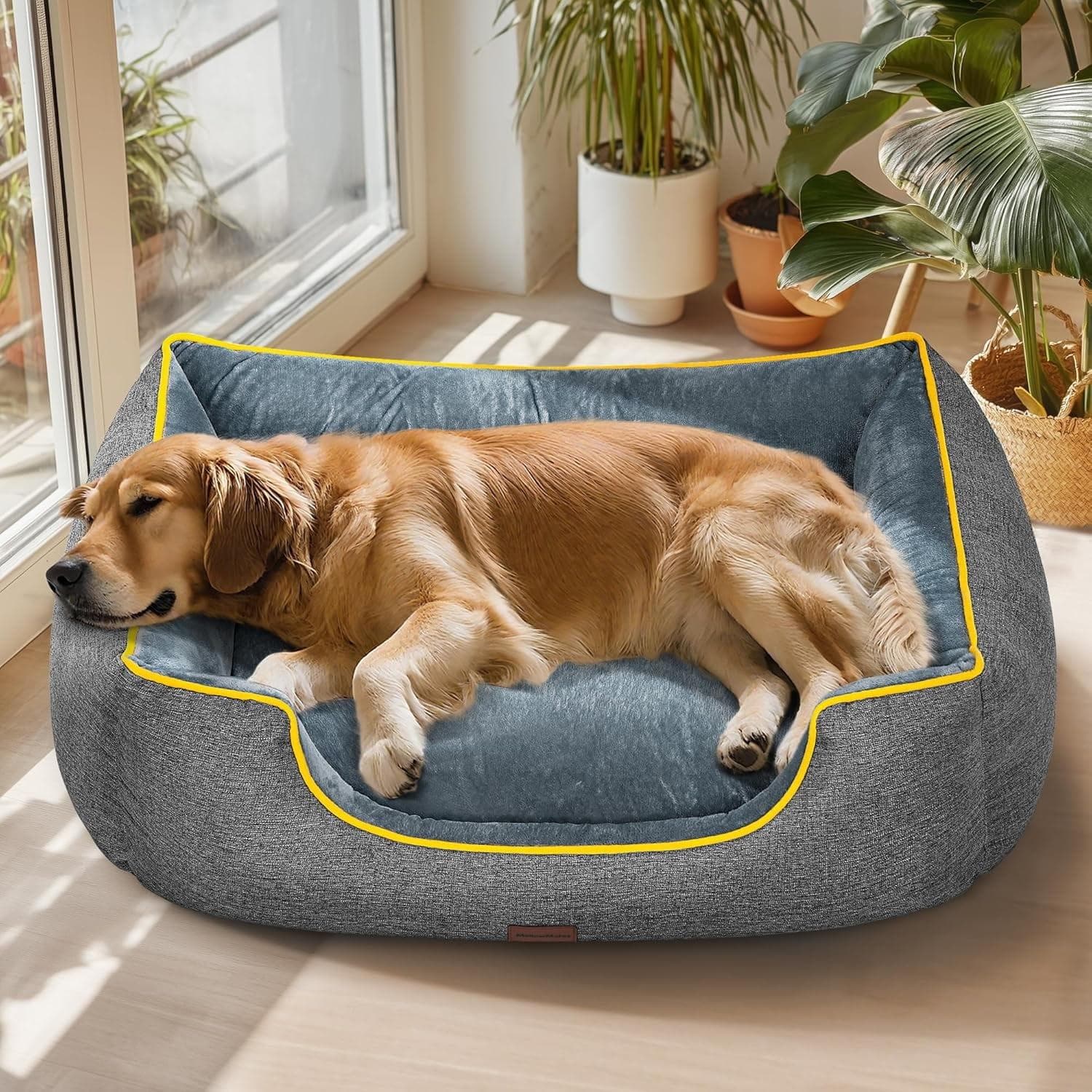
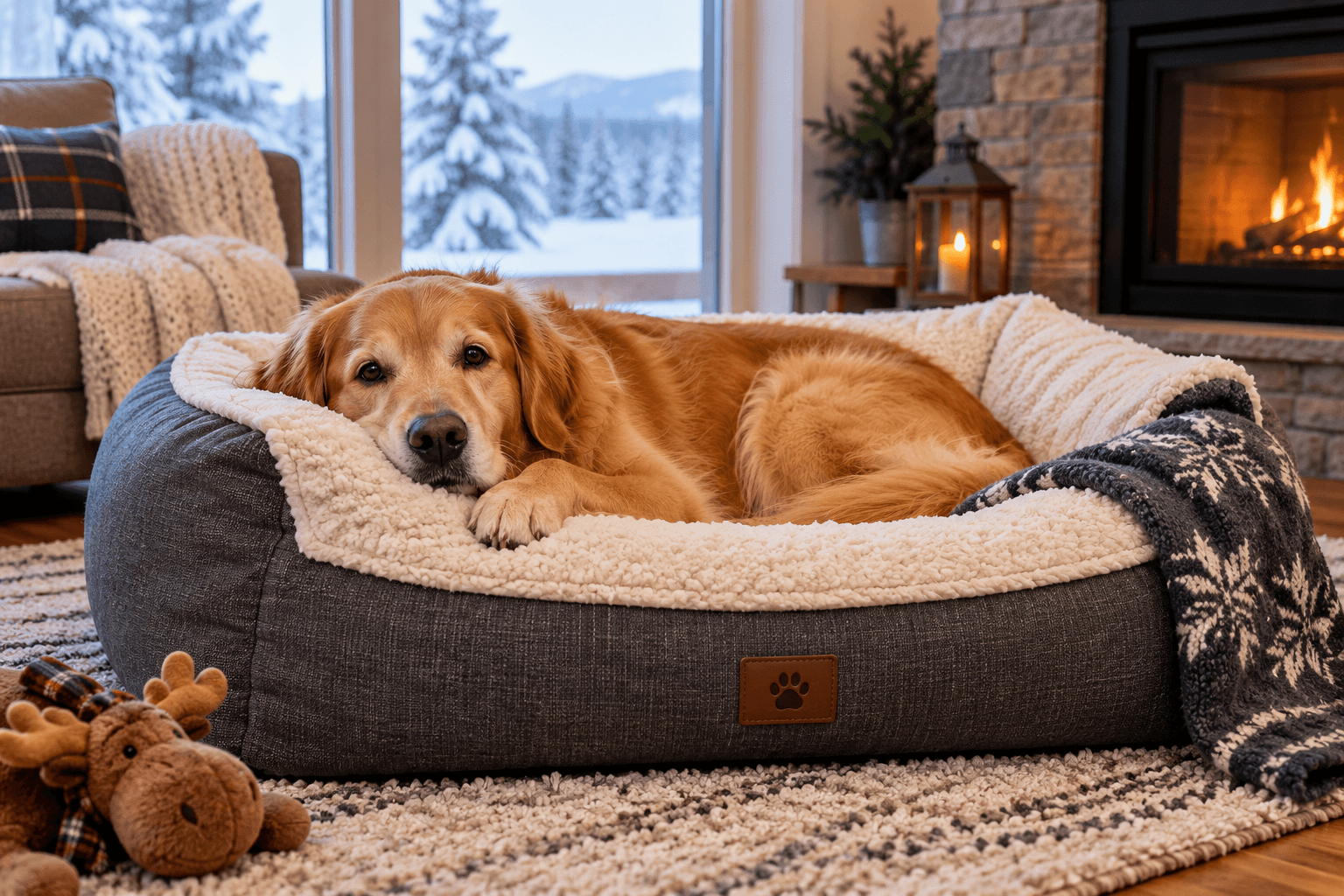
Dog beds for Canadian winters can help provide a comfortable and cosy resting place during the colder months. When choosing dog beds for Canadian winters, consider warm fabrics, supportive cushioning and padded bases that help separate your dog from cold floors. The right bed depends on your dog's size, coat, age and sleeping habits.
The best dog beds for Canadian winters are not necessarily the thickest or softest options available. You should consider your dog's size, coat, age, sleeping habits and the temperature of the room where the bed will be placed.
This guide explains how to choose a warm dog bed, compare suitable materials and find practical features for Canadian homes.
What Makes a Good Dog Bed for Canadian Winters?
A suitable winter dog bed should offer comfortable cushioning, an appropriate sleeping surface and enough insulation for the room in which it will be used.
Look for these features when comparing options:
- Padded base: Helps separate your dog from a cold floor.
- Comfortable fabric: Fleece or plush surfaces may feel cosy for dogs that enjoy soft bedding.
- Suitable filling: Foam or fibre filling can provide cushioning, depending on its construction and quality.
- Practical cover: A removable cover can make routine cleaning easier.
- Appropriate size: Your dog should be able to curl up or stretch out comfortably.
- Stable construction: A non-slip base may help prevent the bed from moving across smooth flooring.
Not every dog needs a heavily insulated bed. Dogs with thick coats may prefer a lighter sleeping surface, while short-haired dogs and some older pets may appreciate additional warmth indoors.
Which Dog Bed Materials Are Best for Winter?
Different materials offer different levels of softness, warmth, support and convenience. The right choice depends on your dog's preferences and your home environment.
| Material or feature | Potential benefit | What to consider |
|---|---|---|
| Fleece cover | Soft, cosy sleeping surface | May collect loose fur |
| Plush fabric | Comfortable texture for resting | Can retain warmth and may need regular cleaning |
| Foam filling | Provides cushioning and structure | Support depends on foam quality and thickness |
| Polyester fibre filling | Lightweight and cushioned | May flatten with use, depending on construction |
| Thick padded base | Adds separation from cold flooring | Check the bed's overall dimensions |
| Removable cover | Makes cleaning more convenient | Check washing and drying instructions |
There is no single best material for every dog. Compare the complete bed rather than choosing based on the outer fabric alone.
A soft cover may feel warm, but the filling, base construction and placement of the bed also influence how comfortable it is.
How to Choose a Dog Bed for Cold Floors
Tile, laminate and other hard flooring can feel cold during winter. If your dog sleeps directly on the floor, choosing a bed with a suitable padded base may make the resting area more comfortable.
Look for adequate padding
A padded bed creates a layer between your dog and the floor. The amount of cushioning required depends on your dog's body size, weight and sleeping preferences.
Larger dogs may compress softer filling more quickly, so check how the bed is constructed and whether it offers suitable support.
Consider an elevated or raised bed carefully
Raised dog beds can keep a dog off the floor, but their open design does not necessarily provide the warmth of a padded winter bed.
They may be suitable for some indoor environments, while a cushioned bed may be more comfortable for a dog that prefers a soft, enclosed sleeping surface.
Choose a suitable location
Place the bed away from draughty doorways and cold exterior walls where practical. A quiet corner of a comfortable room may be more suitable than a spot directly beside a frequently opened entrance.
Do not place a dog bed near heaters or fireplaces where your dog could overheat or come into contact with hot surfaces.
Which Winter Dog Bed Is Best for Your Dog?
Your dog's coat, age and sleeping habits can help you decide which features to prioritise.
Dog beds for short-haired dogs
Some short-haired dogs may appreciate a soft, cosy sleeping surface during colder weather. Consider a padded bed with a comfortable cover, especially if your home has cold flooring.
Watch how your dog uses the bed. If your dog frequently moves away from a very warm surface, a lighter option may be more appropriate.
Winter beds for senior dogs
Older dogs may benefit from a supportive, easy-to-access bed. Consider cushioning, bed height and the ease with which your dog can get in and out.
A thick bed is not automatically supportive. Check the filling and construction, and ask your vet for advice if your dog has joint pain or mobility problems.
Dog beds for puppies
Puppies need a comfortable bed that is appropriately sized and easy to maintain. A removable cover can be useful during toilet training.
Choose a design that suits your puppy's current size and sleeping habits, and check the care instructions for both the cover and the inner cushion.
Winter beds for large dogs
Large dogs need enough room to lie down and change position comfortably. Look for a bed with suitable dimensions and cushioning that matches your dog's size.
Check the listed measurements carefully rather than relying on labels such as small, medium or large, as sizing can vary between manufacturers.
Should You Choose a Heated Dog Bed?
Heated pet beds are available, but they are not necessary for every dog. Many pets can rest comfortably on ordinary bedding in a suitably warm indoor room.
If you are considering a heated bed, review the manufacturer's safety instructions and suitability requirements carefully.
- Choose a product specifically designed for pets.
- Follow the instructions for use, placement and cleaning.
- Check whether the product is appropriate for your dog's age and behaviour.
- Keep electrical components away from moisture.
- Stop using the product if cables or other components become damaged.
Avoid improvised heating arrangements, hot surfaces or electric heating products not intended for pet use. If your dog struggles to stay warm despite a comfortable indoor environment, consult your vet.
How to Keep a Dog Bed Clean During Canadian Winters
Snow, slush, mud and damp paws can make dog bedding dirty more quickly during winter. A practical cleaning routine can help you maintain a comfortable resting space.
Choose a washable cover
A removable cover can make it easier to clean surface dirt and loose fur. Before purchasing, check whether the cover is machine washable or requires another cleaning method.
Dry damp bedding properly
If your dog's bedding becomes damp after a walk or accident, follow the manufacturer's cleaning instructions and make sure it dries completely before regular use.
Do not assume that the foam or inner cushion can be machine washed simply because the cover can be removed.
Remove dirt and loose fur regularly
Vacuuming or brushing the sleeping surface can help remove accumulated fur and everyday dirt between washes.
Check the inner cushion
Moisture can sometimes pass through the outer cover. Inspect the inner cushion periodically and clean it according to the manufacturer's instructions.
For more information about choosing easy-clean bedding, read our guide to washable dog beds when the relevant Canadian page is available.
What Should Canadian Buyers Check Before Buying a Winter Dog Bed?
Before placing an order, review the product description and compare the features that matter most for your home.
1. Check the dimensions
Measure your dog and compare those measurements with the listed bed size. Allow enough room for your dog's usual sleeping position.
2. Review the filling and construction
Look beyond words such as warm, premium or supportive. Check what the bed is made from, how thick the cushioning is and whether the filling suits your dog's needs.
3. Read the care instructions
Winter bedding may collect dampness, mud and loose fur. A removable cover can be useful, but confirm how each part should be cleaned.
4. Consider the room temperature
A dog bed used in a warm living room may not need the same insulation as one placed in a cooler area. Consider the actual indoor environment rather than outdoor temperatures alone.
5. Compare prices in Canadian dollars
When shopping in Canada, compare the listed price in CAD and check any applicable shipping charges, taxes and return conditions before ordering.
Do not assume that a higher-priced bed will necessarily be warmer or more supportive. Compare the materials, dimensions and construction.
6. Check delivery and return details
If ordering online, review the seller's delivery estimates and return policy. Confirm the bed's dimensions before ordering, particularly if the product has a large or bulky design.
Common Mistakes to Avoid When Choosing a Winter Dog Bed
A few common mistakes can make a winter bed less practical than expected.
- Choosing only by thickness: A thick bed may still provide inadequate support if the filling compresses easily.
- Ignoring your dog's coat: Some dogs prefer cooler sleeping surfaces, even during winter.
- Buying the wrong size: A bed that is too small may restrict comfortable stretching.
- Overlooking cleaning requirements: Some covers and inner cushions need different care methods.
- Placing the bed in a draught: A suitable location can improve comfort without buying extra bedding.
- Assuming every dog needs a heated bed: Many dogs can rest comfortably on ordinary bedding indoors.
- Ignoring safe placement: Keep bedding away from heaters, open flames and other potential hazards.
Frequently Asked Questions
What are the best dog beds for Canadian winters?
The best choice depends on your dog's coat, size, age and sleeping habits. A padded bed with comfortable fabric and suitable support can be a practical starting point for many indoor environments.
How do I keep my dog's bed warm during winter?
Choose suitable bedding, place it away from draughts and keep the sleeping area comfortably warm. A padded base can help separate your dog from cold flooring.
Are fleece dog beds good for winter?
Fleece can provide a soft, cosy sleeping surface. However, the best choice depends on your dog's preferences, coat and the temperature of your home.
Are thick dog beds warmer?
A thick bed may provide more separation from the floor, but thickness alone does not determine warmth or support. The filling, construction and fabric also matter.
Do senior dogs need special beds in winter?
Some senior dogs may benefit from a supportive, easy-to-access bed. Choose suitable cushioning and consult your vet if your dog has joint pain, stiffness or mobility difficulties.
Should I buy a heated dog bed for a Canadian winter?
Not necessarily. Many dogs are comfortable with ordinary bedding in a suitably warm indoor room. If you choose a heated product, follow its safety instructions and make sure it is designed for pets.
What type of dog bed is best for cold floors?
A bed with a padded base can provide a comfortable layer between your dog and hard flooring. Choose a suitable size and filling based on your dog's weight and sleeping habits.
How often should I wash my dog's winter bedding?
Cleaning frequency depends on how much dirt, fur and moisture the bed collects. Remove loose fur regularly and wash the cover according to its care instructions whenever it becomes dirty.
Can I use blankets instead of a winter dog bed?
A blanket can provide an additional soft layer, but it may not offer the same cushioning or separation from a hard floor as a suitable dog bed. Choose bedding that your dog can use comfortably and safely.
How do I choose the right dog bed size?
Measure your dog and compare the measurements with the product dimensions. Consider whether your dog prefers to curl up or stretch out when sleeping.
Final Thoughts
Choosing a dog bed for a Canadian winter is about more than finding the thickest or softest option. Consider your dog's coat, age, size, sleeping habits and the temperature of the room where the bed will be placed.
A comfortable padded base, suitable filling, practical cover and appropriate size can help create a cosy indoor resting space. Review the care instructions and product dimensions before ordering, and choose features that suit your dog's everyday needs rather than relying on marketing claims alone.