

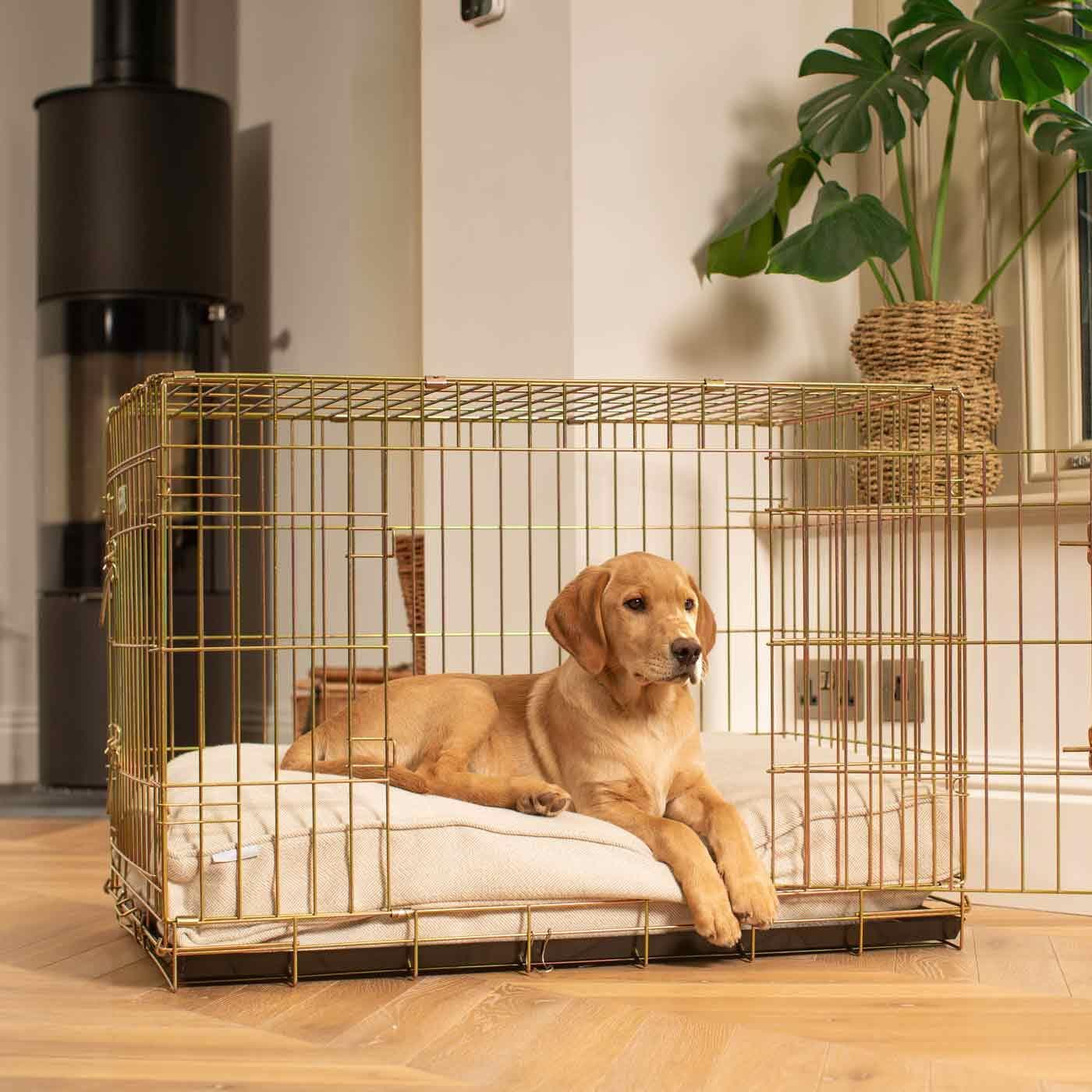
# How to Choose a Dog Crate Bed: Size, Fit and Safety
Choosing the right dog crate beds UK owners can use comfortably involves more than finding a soft mat that fits inside a crate. The bed should leave enough room for your dog to lie naturally, suit their sleeping habits and be easy to keep clean. The right choice also depends on whether you have a growing puppy, an adult dog or an older companion who needs extra cushioning.
At Zarexon, we believe choosing pet essentials should start with your dog's everyday needs. This guide explains how to measure a crate, compare bedding types, avoid common buying mistakes and choose a practical dog crate mattress for your home.
What Is a Dog Crate Bed?
A dog crate bed is a mat, mattress or padded liner designed to sit on the floor of a dog crate. It provides a more comfortable resting surface than a bare crate tray and can help create a familiar place for your dog to relax.
Unlike a conventional dog bed, crate bedding needs to fit within a defined space. A mattress that is too thick, too large or difficult to clean may be impractical, even if it feels comfortable outside the crate.
A suitable crate bed should ideally offer:
- A comfortable surface for resting and sleeping.
- A size that fits the usable floor area of the crate.
- Materials appropriate for your dog's habits and needs.
- A surface that is straightforward to clean and dry.
- A secure fit without excessive bunching or folded edges.
Remember that a crate should be a positive, comfortable space—not a place for punishment or prolonged confinement. Dogs need appropriate opportunities for exercise, toilet breaks, interaction and rest outside the crate too.
How to Measure a Dog Crate for a Bed
The first step when buying a dog crate mattress is to check the internal dimensions of your crate. External measurements can be misleading because the frame, corners and door fittings may reduce the available space.
Follow these steps before choosing a size.
1. Measure the internal length
Measure the usable floor length from the inside of one end to the inside of the other. Avoid measuring across the outer frame, as this can result in buying a mattress that is too long.
2. Measure the internal width
Measure the available width at floor level. Check whether the crate has angled corners or fittings that reduce the usable area.
3. Check the mattress thickness
Measure the height of the proposed bed when it is laid flat. A thick mattress may raise your dog too close to the crate roof or reduce the space available for comfortable movement.
4. Compare the measurements with the product dimensions
Always check the manufacturer's stated dimensions rather than relying only on labels such as small, medium, large or XL. Sizing names are not standardised across every brand.
For a broader explanation of dog measurements and bed sizing, see our dog bed sizing guide for UK owners. That guide covers general bed sizing, while this article focuses on getting the fit right inside a crate.
Quick answer: Measure the crate's usable internal floor area, then compare it with the bed's actual dimensions. The bed should fit securely without preventing your dog from standing, turning around, stretching out and lying down naturally.
Which Type of Dog Crate Bed Should You Choose?
The best crate bedding depends on your dog's sleeping position, chewing habits, age and cleaning needs. There is no single style that suits every dog.
| Crate bed type | Best suited to | What to check |
|---|---|---|
| Flat crate mat | Dogs that prefer a simple resting surface | Thickness, grip and fit |
| Padded crate mattress | Dogs that enjoy a softer surface | Cushioning and whether it compresses too easily |
| Removable-cover mattress | Homes where bedding needs frequent cleaning | Washing instructions and replacement-cover availability |
| Water-resistant bed | Dogs that occasionally bring in damp paws | Whether the fabric is water-resistant or fully waterproof |
| Orthopaedic-style mattress | Some older dogs or dogs needing additional cushioning | Ease of access, support and veterinary advice where appropriate |
| Chew-resistant-style mat | Dogs that tend to bite or pull at bedding | Construction, seams and suitability for your dog's behaviour |
These descriptions are general buying considerations, not guarantees of performance. Always inspect the individual product specifications before ordering.
Flat crate mat or padded mattress?
A flat crate mat is often a practical choice when space is limited or your dog prefers a firm, simple surface. A padded mattress may suit a dog that enjoys more cushioning, provided it does not take up too much room inside the crate.
If your dog has difficulty lying down or getting up, consider the height and firmness of the surface carefully. Dogs with mobility problems may need an individually suitable bed, so ask your vet if you are unsure which option is appropriate.
Should you choose a waterproof dog crate bed?
A waterproof or water-resistant surface may be useful if your dog regularly comes in from wet walks or the bedding is exposed to occasional moisture. However, the two terms are not interchangeable.
- Water-resistant: Helps repel some moisture but may not prevent liquid from passing through.
- Waterproof: Designed to prevent water from passing through the specified protective layer when used as intended.
Check the product description and care instructions before buying. Some protective coatings may affect breathability or feel different from ordinary fabric. For more information on the distinction, read our guide to washable dog beds in the UK, which explains what to check when choosing easy-clean bedding.
How Thick Should a Dog Crate Mattress Be?
There is no universal mattress thickness that works for every dog and crate. The right thickness depends on your dog's size, sleeping preferences, physical needs and the amount of headroom available.
A thin mat may suit a dog that likes a simple surface, while a more padded mattress may provide a softer place to rest. However, a bed that is excessively thick for the crate can reduce usable space or make movement less comfortable.
Before buying, check these three things:
- Your dog can stand at full height without their head or back touching the crate roof.
- Your dog can turn around and stretch out in a natural position.
- The mattress stays within the available floor space without folding against the sides.
Do not choose a thick bed simply because it looks more luxurious. The best option is one that suits the dog and fits the crate safely.
What Makes a Dog Crate Bed Comfortable?
Comfort depends on more than softness. Consider your dog's normal sleeping position and whether they prefer to curl up, lie on their side or stretch their legs.
A useful crate mattress should provide a suitable resting surface without restricting natural movement. The material should also be appropriate for the temperature and environment in which the crate is kept.
Look at the following features when comparing dog crate bedding:
- Cushioning: Consider whether the surface suits your dog's size and resting habits.
- Fabric: Choose a material that feels appropriate for your dog and can be maintained according to its care label.
- Grip: A well-fitting bed is less likely to bunch up than an oversized or poorly shaped one.
- Breathability: Consider the room temperature and avoid unnecessarily heavy bedding in warm conditions.
- Maintenance: Removable covers can make routine cleaning easier, provided they are compatible with the mattress.
- Durability: Examine seams, edges and closures, particularly if your dog tends to pull at fabric.
The RSPCA's dog bed guidance also highlights the importance of suitable sizing, comfortable padding and easy cleaning. Choose bedding based on your individual dog's needs rather than appearance alone.
Are Dog Crate Beds Safe for Puppies?
A crate bed can provide a comfortable resting surface for a puppy, but the choice needs to account for chewing, toilet accidents and rapid growth.
Puppies may chew or pull at bedding, so inspect the mattress regularly for loose threads, damaged seams, exposed filling or detached components. Remove damaged bedding if it could present a swallowing or entanglement hazard.
When choosing puppy crate bedding:
- Select a mattress that fits the crate without obstructing movement.
- Check that the fabric and construction suit your puppy's behaviour.
- Follow the manufacturer's washing and maintenance instructions.
- Recheck the fit as your puppy grows.
- Supervise your puppy's introduction to new bedding and monitor how they use it.
If your puppy repeatedly shreds or swallows bedding, seek advice from your vet or a qualified behaviour professional about safer options. A product described as chew-resistant should not automatically be treated as chew-proof.
The crate itself must be appropriately sized and introduced positively. The RSPCA recommends making a crate a safe, comfortable space and never using it as punishment. Read its dog crate training advice for further guidance.
How to Choose Crate Bedding for an Older Dog
Older dogs may need extra consideration when choosing a dog crate mattress. Some experience stiffness, reduced mobility or joint discomfort, while others continue to prefer their usual sleeping surface.
Look for a bed that allows your dog to lie down and get up without unnecessary difficulty. A mattress that is too high, unstable or difficult to enter may not be the best fit for a dog with limited mobility.
Consider these points before purchasing:
- Ease of access: Check whether the mattress height makes getting in and out comfortable.
- Suitable cushioning: Compare the available support and the way the mattress compresses under your dog's weight.
- Stable placement: Avoid bedding that slides or folds under your dog.
- Practical cleaning: Choose a care routine that keeps the sleeping surface clean and dry.
- Individual needs: Speak to your vet if your dog has pain, arthritis or other mobility concerns.
Orthopaedic-style or memory-foam bedding may suit some dogs, but the label alone does not establish that a particular mattress will relieve discomfort. The right choice depends on the dog's condition and the product's actual construction.
How to Keep a Dog Crate Bed Clean
Crate bedding can collect fur, dirt, dampness and everyday odours. Regular checks help you decide when it needs washing or replacing.
The appropriate cleaning frequency depends on how often your dog uses the crate, the condition of the bedding and whether it becomes wet or dirty. Clean it whenever necessary rather than following a rigid schedule that may not suit every household.
Use this simple routine:
- Check the mattress for fur, dirt, damp patches and damage.
- Remove loose hair and surface debris.
- Follow the manufacturer's instructions for washing the cover or mattress.
- Use a suitable pet-safe cleaning product where required.
- Let all components dry fully before putting them back in the crate.
- Check seams, zips and filling before reuse.
Do not assume that every mattress can go in a washing machine or tumble dryer. Some fillings require spot cleaning, and excessive heat may damage particular materials.
For a more detailed cleaning routine and advice on care labels, read our guide to washable dog beds in the UK.
Common Dog Crate Bed Buying Mistakes
Avoid these common mistakes when comparing dog crate beds in the UK.
Buying by the size label alone
Small, medium and large can mean different dimensions across manufacturers. Compare measurements instead of relying only on the label.
Choosing a mattress that is too thick
A thick mattress can reduce the room available for standing, turning and stretching. Check the combined space available after the bedding is fitted.
Ignoring chewing habits
Soft fabric and exposed filling may not be suitable for every dog. Consider your dog's behaviour and inspect the bedding frequently.
Assuming water-resistant means waterproof
Check the exact product description. A water-resistant cover may not protect the filling from all liquids.
Overlooking care instructions
A removable cover can be useful, but only if it can be cleaned according to your needs. Check whether the mattress itself also requires special care.
Using the crate as a substitute for everyday care
A crate is not a replacement for exercise, interaction, toilet breaks or access to a suitable resting area. Your dog should not be left confined for excessive periods.
Forgetting to check the fit again
Puppies grow, and bedding can stretch, compress or become damaged. Recheck the fit and condition regularly.
Frequently Asked Questions About Dog Crate Beds
What is the best bed to put inside a dog crate?
The best bed is one that fits the crate, suits your dog's sleeping habits and allows comfortable movement. A flat mat or padded mattress may work well, depending on the available space and your dog's needs.
How do I know what size dog crate bed to buy?
Measure the crate's internal floor length and width, then compare those dimensions with the bed's stated measurements. Make sure the finished setup leaves enough room for your dog to stand, turn around, stretch and lie down naturally.
Should a dog crate bed cover the whole floor?
The mattress should fit the usable floor area without being forced into place, folding up the sides or obstructing the door. Your dog must still be able to move comfortably inside the crate.
Can I put a normal dog bed inside a crate?
Yes, if its dimensions and shape fit safely and it does not restrict movement. A bed designed for open spaces may have raised sides that take up too much room inside a crate.
Is a waterproof crate bed better for puppies?
It may be practical for occasional accidents, but the right choice depends on the puppy and the product. Check the construction, care instructions and suitability for chewing, and clean the bedding promptly when needed.
Are memory-foam dog crate beds suitable for older dogs?
Some older dogs may benefit from suitable supportive bedding, but memory foam is not automatically the best choice for every dog. Consider mattress height, stability, ease of access and any veterinary advice relating to mobility or discomfort.
How often should I wash a dog crate bed?
Wash it whenever it becomes dirty, damp or noticeably smelly, and follow the product's care label. Dogs with allergies, skin problems or specific health needs may require an individual cleaning routine advised by a vet.
What should I do if my dog chews its crate bed?
Inspect the bed and remove it if it is damaged or exposes filling that your dog could swallow. Consider why the chewing is happening and speak to a vet or qualified behaviour professional if it persists or creates a safety concern.
Can a dog sleep in a crate all night with a bed inside?
A suitably trained dog may rest in a comfortable crate, but this depends on the dog's age, needs, training and ability to settle without distress. The crate must be appropriately sized, and puppies need more frequent toilet opportunities. Do not use a crate to confine a dog for excessive periods.
Should I put a blanket over my dog's crate?
A partial cover may help some dogs feel more settled, but it should not obstruct ventilation or cause overheating. Observe your dog's response and keep the crate in a comfortable, well-ventilated location away from direct heat and draughts.
Final Thoughts: Choosing the Right Dog Crate Bed
The right dog crate bed should fit properly, provide an appropriate resting surface and suit your dog's daily habits. Start with the crate's internal measurements, compare mattress thickness and materials, and check the care instructions before buying.
For growing puppies, review the fit regularly. For older dogs, consider accessibility and individual comfort needs. For dogs that chew or damage bedding, prioritise safe construction and frequent inspections.
At Zarexon, our aim is to help pet owners make more informed choices through practical pet-care guides. If you are comparing options, continue with our UK dog bed sizing guide and washable dog beds guide to explore related buying considerations.